2026 Reproductive Justice Symposium
Promoting person-centered care, autonomy, and dignity
ABOUT THE SYMPOSIUM
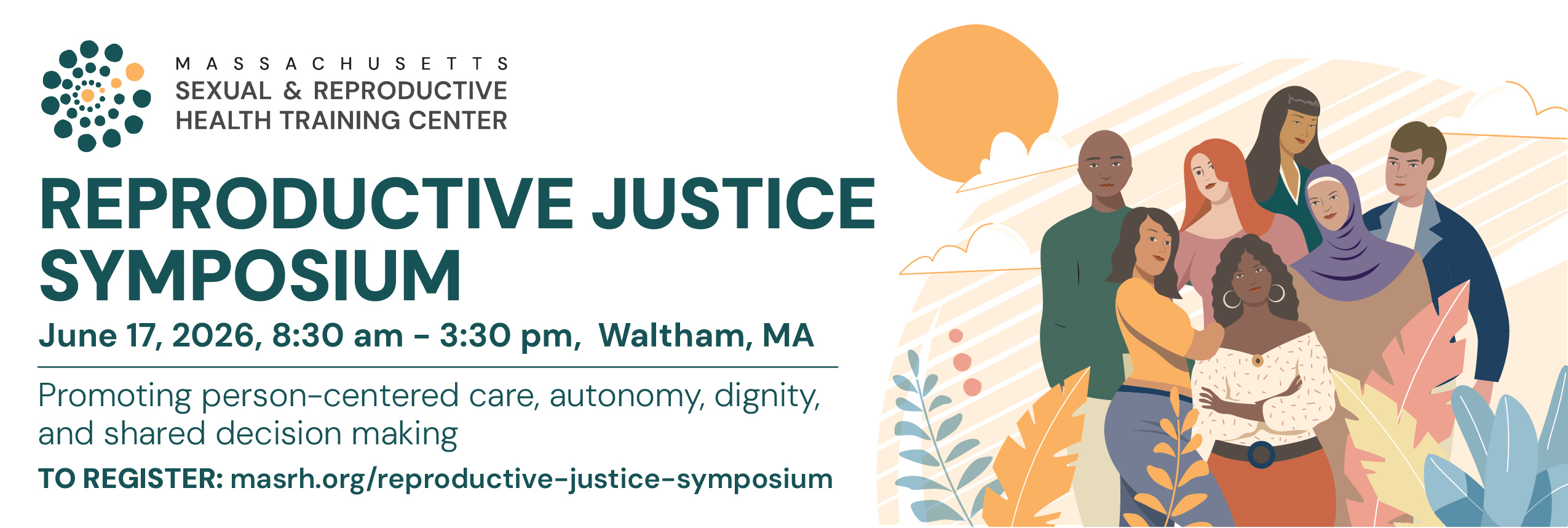
Thank you to everyone who joined us for this year's third annual Reproductive Justice Symposium. This year's symposium was anchored in promoting patient-centered care, autonomy, and dignity. Attendees had the opportunity to engage with colleagues, learn how reproductive justice influences their work, and left feeling empowered to continue the professional journey with a strengthened reproductive justice lens.
OVERVIEW
- June 17, 2026 from 8:30 AM-3:30 PM
- Waltham, MA; exact address will be provided to you upon registration
- Ample free parking available
- Breakfast, lunch, and snacks provided to participants
- Registration is now closed.
Please email trainingcenter@masrh.org with any questions!
SCHEDULE
| Time | Activity |
| 8:30 am – 9:00 am | Registration and Breakfast |
| 9:00 am – 9:30 am | Welcome Remarks |
| 9:30 am – 10:15 am | Keynote Address |
| 10:15 am – 10:30 am | Break |
| 10:30 am – 12:00 pm | Morning Workshops |
| 12:00 pm – 1:15 pm | Lunch with tabling by community resource partners |
| 1:15 pm – 2:45 pm | Afternoon Workshops |
| 2:45 pm – 3:00 pm | Break |
| 3:00 pm – 3:30 pm | Closing Reflections |
SESSION DESCRIPTIONS
Keynote Address:
Stronger Together: Leveraging Our Collective Strength (Clare Coleman)
Your work as sexual and reproductive health providers continue to be challenged, scrutinized, and reshaped, even as the needs of Massachusettsans continue to grow. It can feel exhausting to carry both the urgency of now and the uncertainty of what comes next. Join NFPRHA’s President & CEO Clare Coleman who will kick off the symposium grounding us in the evolving landscape of the family planning safety net. Together, we will reflect on how we can leverage our strengths, support one another, and stay resilient in the face of transformation. This session will be a call to reconnect with why we do this work, recognize the collective impact we continue to make, and get energized as we push forward remembering that even in challenging times, your work matters deeply and so do you.
Morning Sessions:
Abortion Landscape Updates in 2026: National and Regional Perspectives (Dr. Elizabeth Janiak & WeCount)
In this session, participants will learn about abortion access and utilization, new trends, and emerging patient needs in 2026. We will begin with a brief overview of key recent legislative changes in states where abortion is and is not currently legal, and a review of legality and restrictions in New England. Dr. Jenny O’Donnell will present national data on interstate travel for abortion and use of telehealth. Dr. Elizabeth Janiak will provide an overview of abortion access and provision in Massachusetts. We will then discuss patient needs in the current landscape, with a focus on how participants can support their patients with quality referrals and how the broader healthcare community can work together to improve access.
Bedroom, Bathroom, & Beyond: Your one stop shop for managing pelvic floor concerns across age, gender, and more (Alicia Jeffrey-Thomas)
Pelvic floor dysfunction impacts people across the population, regardless of childbearing status, age, and gender. Incontinence, prolapse, and pelvic pain can significantly diminish a person’s quality of life, and yet, the medical system still regularly dismisses these concerns as “normal”. Learn about how the pelvic floor entwines with various medical specialties as well as simple educational interventions to improve patients’ body awareness and health.
Tender Echoes: The Art of Deep Listening (Amir Dixon)
Tender Echoes: The Art of Deep Listening is a 90-minute interactive workshop designed for the Reproductive Justice Symposium. This session uses film, somatic reflection, and art-based storytelling to build deep listening skills among health center staff—with an explicit focus on how those skills must be practiced differently, and more intentionally, when serving Black Queer and Trans communities.
Reproductive justice, as defined by SisterSong, is the human right to maintain personal bodily autonomy, have children, not have children, and parent the children we have in safe and sustainable communities. For Black Queer and Trans people, this framework is not abstract—it is lived, contested, and often invisible within the very systems designed to provide care. This workshop asks health center staff to confront that invisibility by listening differently. Participants leave with a deep listening framework rooted in the lived experience of Black Queer and Trans communities. Not theoretical. Felt. Something they practiced with their bodies, not just their notebooks. And a commitment, written in their own hand, to listen differently when it matters most.
“Reproductive justice is not just about what we provide. It’s about who we hear.”
Cultivating Birthlooms Storytellers: Storytelling as Healing, Memory, and Reproductive Justice Practice (Stefanie Belnavis)
This session centers Stefanie's work as a perinatal movement psychotherapist and photographer, exploring storytelling as a vital practice of healing, memory preservation, and cultural reclamation, particularly within Black and Brown birthing communities. Grounded in her work through A Bucket for the Well, LLC, The Diahann Project, and Birthlooms, she will share the origins and evolution of Midwifery + The Black Birthing Family (MBBF) and the Birthlooms Storytellers Circle framework.Participants will be invited to consider how storytelling, through movement, oral history, visual archiving, and reflective practice, can support culturally responsive, trauma-informed, and community-rooted approaches to perinatal and reproductive justice care. This work positions birthing people and practitioners as co-journeyers, storytellers and archivists of lived experience, holding space for both individual and collective healing.Drawing from the Birthlooms Storytellers Circle process, which invites participants to engage their bodies, histories, and identities as sites of meaning-making and witnessing, this session will also include brief experiential elements and selected clips from Origin Stories: Midwifery + The Black Birthing Family to ground the work in lived narrative and testimony.
Afternoon Sessions:
Best Practices Serving Immigrants: What to Know (Jessica Chicco, MIRA Coalition)
This session introduces participants to common challenges and barriers of effective service provision to immigrants and will facilitate a conversation on best practices for organizations to follow to build strong, trusting relationships with immigrant clients. We will also share accurate, up-to-date information on changes in immigration policies and their impact on our Massachusetts communities.
Love, Media, and Messaging: How Youth Use Marketing to Redefine Healthy Relationships (StartStrong)
How do we create environments where young people can openly talk about sex, relationships, and consent without stigma? This session explores how youth-centered communication and restorative justice principles can transform the way we approach sexual health and healthy relationship education. Drawing from their experiences producing podcasts, leading workshops, and creating youth-led marketing content, the panel will highlight how storytelling, media, and digital engagement can expand conversations about healthy love.
Menopause Equity: Ensuring Access to Care and Countering Misinformation (Dr. Padma Kandadai)
This session will discuss the history of hormone therapy and how the Women's Health Initiative inadvertently created a care desert for several generations of women seeking help with perimenopausal and menopausal symptoms. In the absence of access to evidence-based care and practitioners confident to provide that care, a global market to fill this gap formed, estimated to be worth more than $24 billion USD by 2030. We will discuss how the monetization of menopause creates an environment ripe with misinformation aimed at consumerism and putting patients desperate for solutions, in their crosshairs.
SPEAKERS
Clare Coleman
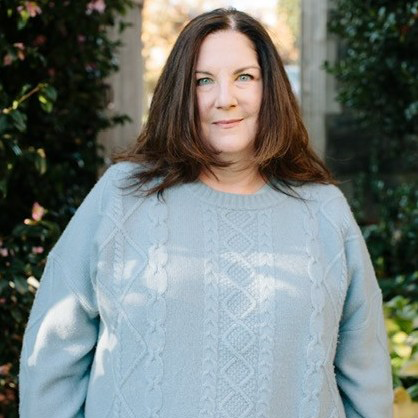
Clare Coleman (she/her) is the President & CEO of the National Family Planning & Reproductive Health Association (NFPRHA), a position she has held since 2009. Clare believes NFPRHA’s mission, and the collective power of its almost 1,000 organizational members, is the driving force of her career. She says, “I started in the reproductive health field in the early 1990s and quickly fell in love with the work and the resilient people supporting it. Our members and their heart-led service of others give me purpose. They are the reason NFPRHA exists.”
Under her leadership, NFPRHA has grown its membership by 500%, tripled the organization’s staff and budget, and expanded its portfolio, with a focus on federal policy and regulatory reform, service delivery improvement, and health equity. Between the years of 2018-2019 when the network was under significant threat, Clare led the association though its decisions to repeatedly sue the US government to prevent the Trump administration from doing irreparable harm to Title X, the nation’s family planning program.
Clare was previously president and CEO of Planned Parenthood Mid-Hudson Valley in New York state, a Title X sub-recipient agency, from 2006 to 2009. Prior to her time in New York, her home state, Clare was Chief of Staff for former US House Appropriations Committee Chairwoman Nita Lowey. She also worked for then-Rep. Chuck Schumer and two other members of the House of Representatives.
In addition to her decade-plus on the Hill, Clare was a lead lobbyist for Planned Parenthood Federation in the late 1990s and researched the impact of catastrophes on public health while working at the New York University School of Medicine. Clare is a proud graduate of Smith College. In 2021, she was awarded the Smith College Medal, given to alumnae who, in the judgment of the trustees, exemplify in their lives and work the true purpose of a liberal arts education. She is a solo mom to a middle schooler.
Elizabeth Janiak
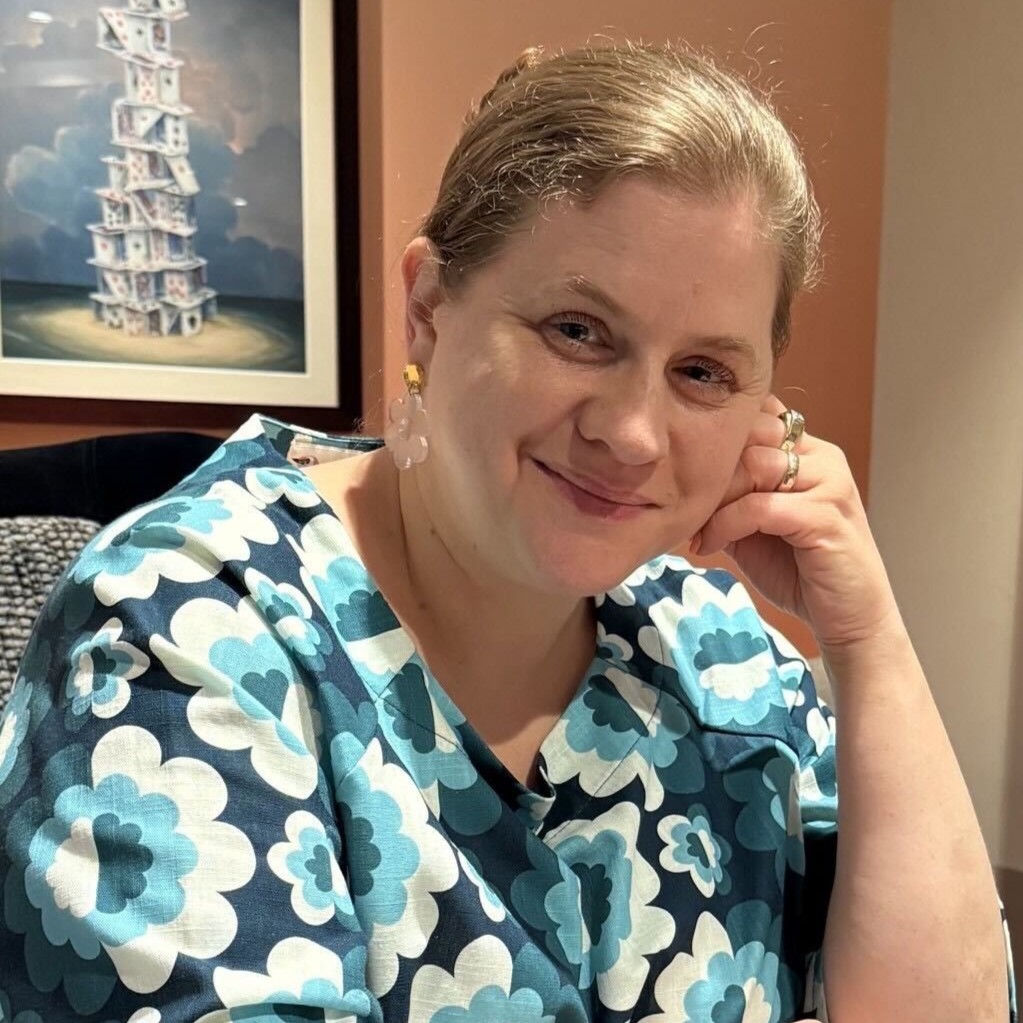
Elizabeth Janiak is an interdisciplinary public health researcher and Assistant Professor at Harvard Medical School and the Harvard TH Chan School of Public Health. Her research explores how government and institutional policies create inequities in access to and quality of sexual and reproductive health (SRH) care, including contraceptive, abortion, and obstetric services. Current projects include several studies of mifepristone use for abortion and early pregnancy loss, social factors shaping postpartum contraceptive use, and the impacts of abortion-related travel following the Dobbs decision. Dr. Janiak's work has been covered in dozens of media outlets including The Boston Globe, Salon, and National Public Radio. A full list of Dr. Janiak's publications can be found via Harvard Catalyst.

WeCount

Alicia Jeffrey-Thomas
Dr. Alicia Jeffrey-Thomas has been a pelvic floor physical therapist since 2016 and has experience working with people of all genders and ages with pelvic health diagnoses. She isn’t one to shy away from taboo topics. From bladder problems to bowel movements to sex, Alicia is always game to talk through the dirty details to help patients figure out what’s going on “down there.” To this end, she has created and directed multiple social media platforms where she spreads evidence based pelvic health information in humorous and relatable ways. Her page, @ThePelvicDanceFloor, has over 1 million combined followers between Instagram and TikTok. She and her content have been featured in podcasts, magazines, blogs, and on television. Her book Power to the Pelvis is a ‘choose-your-own-adventure” style book full of practical tips, strategies, and exercises to give the reader the ability to start navigating their own pelvic floor
health journey.

Amir Dixon
Amir Dixon is the founder of ANI, a strategy, design, and production firm focused on community nonprofits. Amir’s work sits at the intersection of art, storytelling, and social justice, with a particular focus on Black Queer and Trans narratives. Their film black explores the history of early Black gay clubs and AIDS-era organizations, centering the voices and survival strategies of communities that built care systems when none were offered. Amir brings this lens to every engagement: the belief that storytelling is not supplemental to justice work—it is the work.
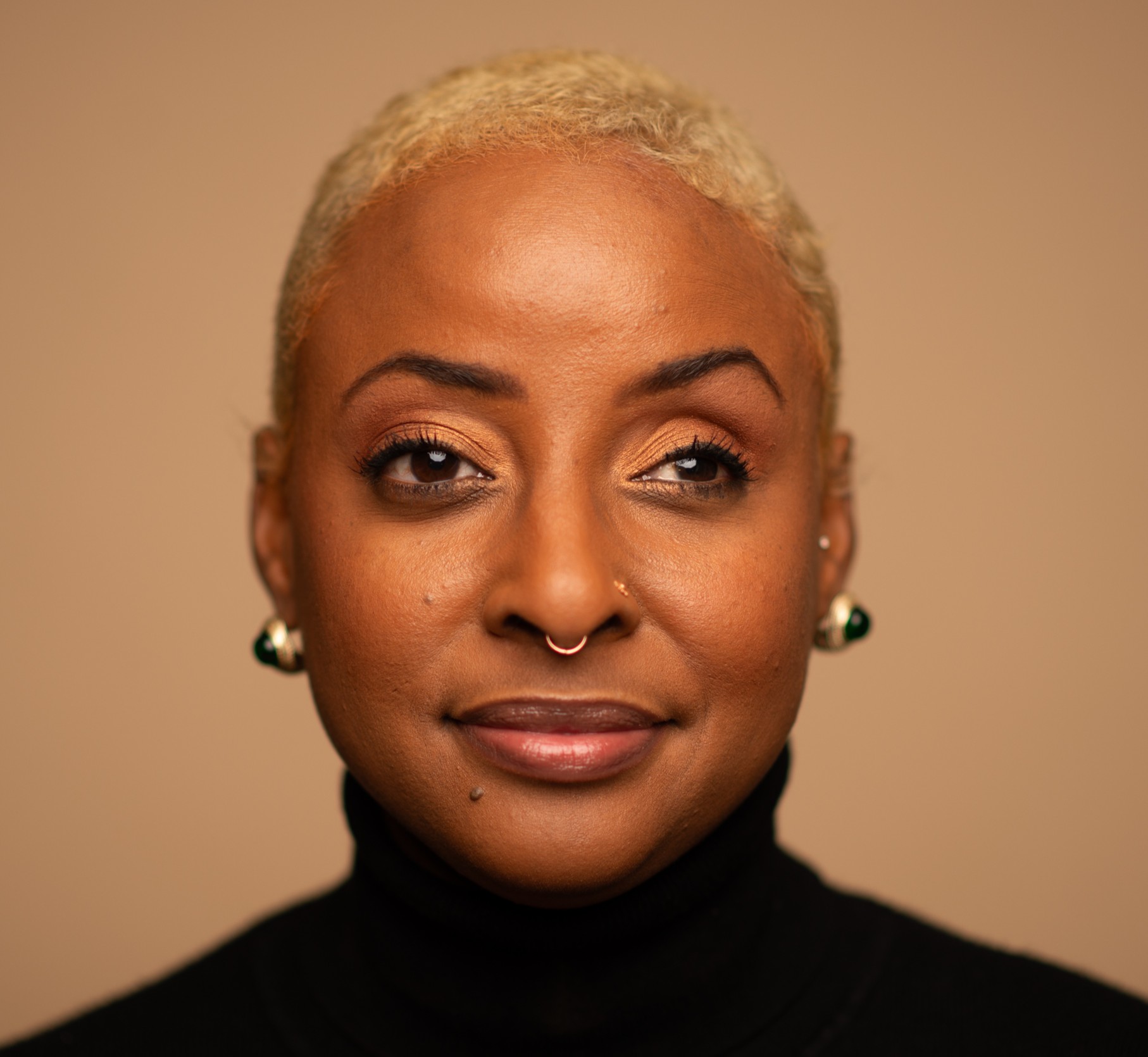
Stefanie Belnavis
Stefanie D. Belnavis, MA, BC-DMT, LMHC (she/her) is a differently abled Black and Indo-Jamaican-American interdisciplinary artist, perinatal movement psychotherapist, photographer, educator, and spatial justice practitioner based in Greater Boston. She is the Founder and Executive Director of A Bucket For The Well, LLC, and the visionary behind The Diahann Project and Birthlooms.
Her reproductive justice work includes Midwifery + The Black Birthing Family, a visual and oral history archive that uplifts Black birthing stories, Black midwives, and the communal labor of care. Across her work, Stefanie explores how storytelling functions not only as documentation, but also as healing practice, memory preservation, resistance, and reclamation.
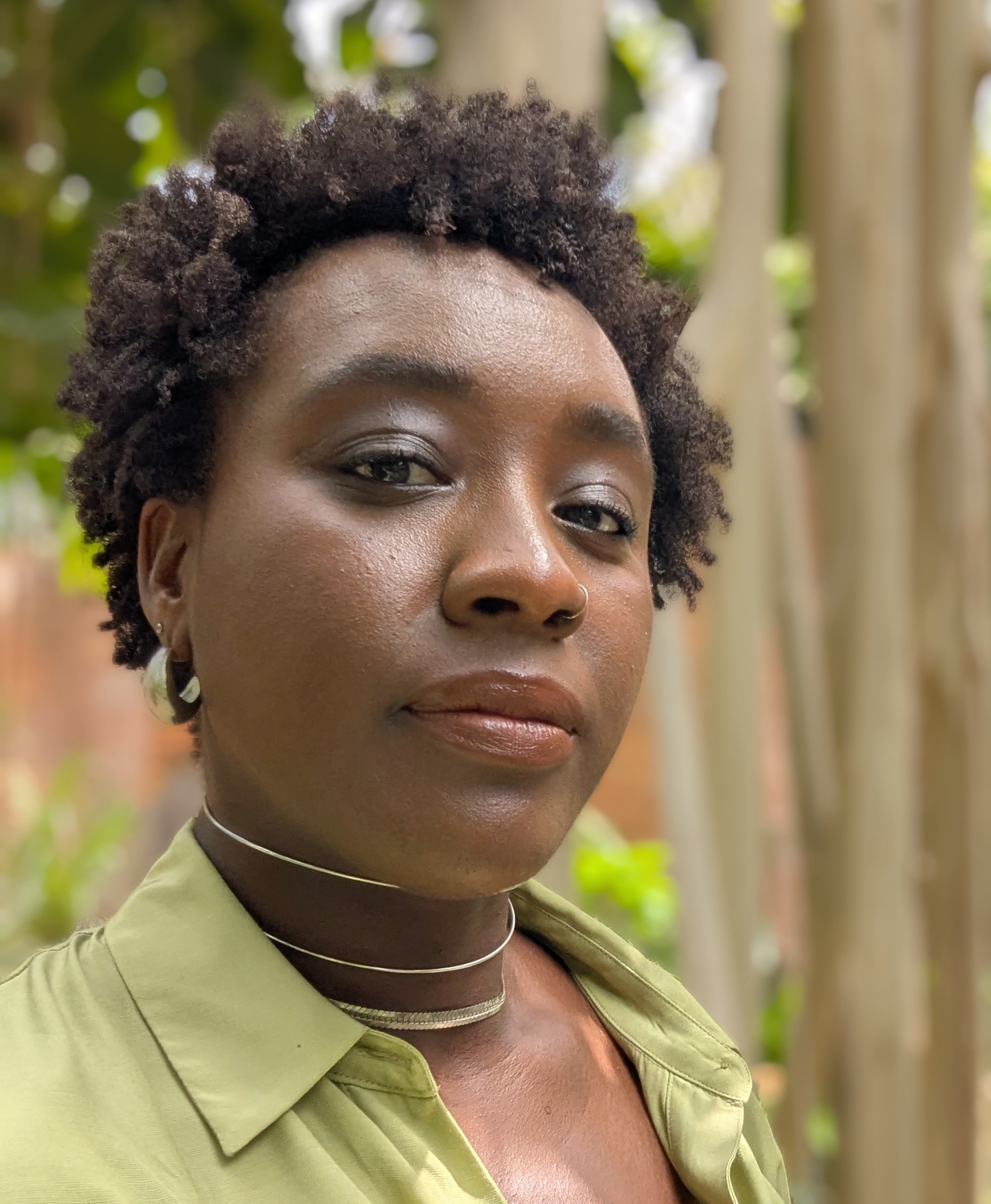
Ebere Oparaeke, MPH, CLC
Ebere Oparaeke (she/her) is a birth worker and birth justice advocate. She became a birth doula 12 years ago while pursuing her undergraduate degree at the University of Michigan in Women's Studies and now provides a spectrum of support throughout the perinatal period. With a background in childcare and youth development, she has always felt connected to efforts that support children and parents. She received her MPH in Maternal and Child Health from Boston University in 2020. She has since engaged in community-based strategies and advocacy efforts for health equity, including interning for and promoting the opening of the Neighborhood Birth Center, where she currently serves on the Board of Directors. Ebere regards birth as a sacred and transformative experience in a person’s life, and to support and bear witness to it is a gift that continues to humble and inspire her. She is passionate about reproductive and social justice efforts toward the liberation of oppressed peoples and believes that all people should be informed, supported, and validated in their birth and reproductive journeys. When she is not with her clients, she enjoys spending time in nature, curating musical playlists, dancing, cooking and creating things with her hands.
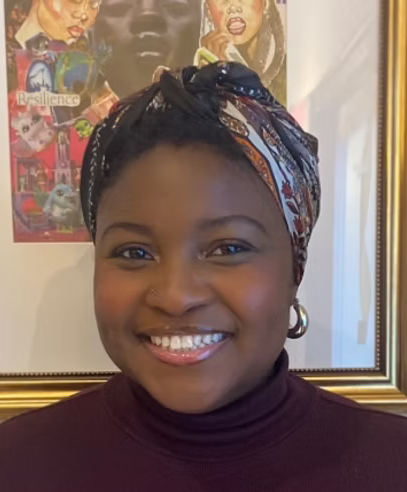
Mardia Pierre
Mardia Pierre is a Black Haitian American woman, creative, daughter, sister, friend, aunt, and mother — who moves through the world with intention and heart. She is a Birthlooms Storyteller. A Licensed Clinical Social Worker (LCSW), Mardia works alongside parents, queer folks, Black creatives, and neurodivergent individuals, centering her practice around helping people tap into their own wisdom. She is deeply committed to building non-oppressive, safer spaces where people can show up as their full selves. When she's not holding space for others, Mardia can be found in nature, crafting with loved ones, or lost in collaging. She is also a proud mother to a spirited 7-year-old who loves playing, gymnastics, singing, and choreographing dances — yes, with Mardia as the designated performer.
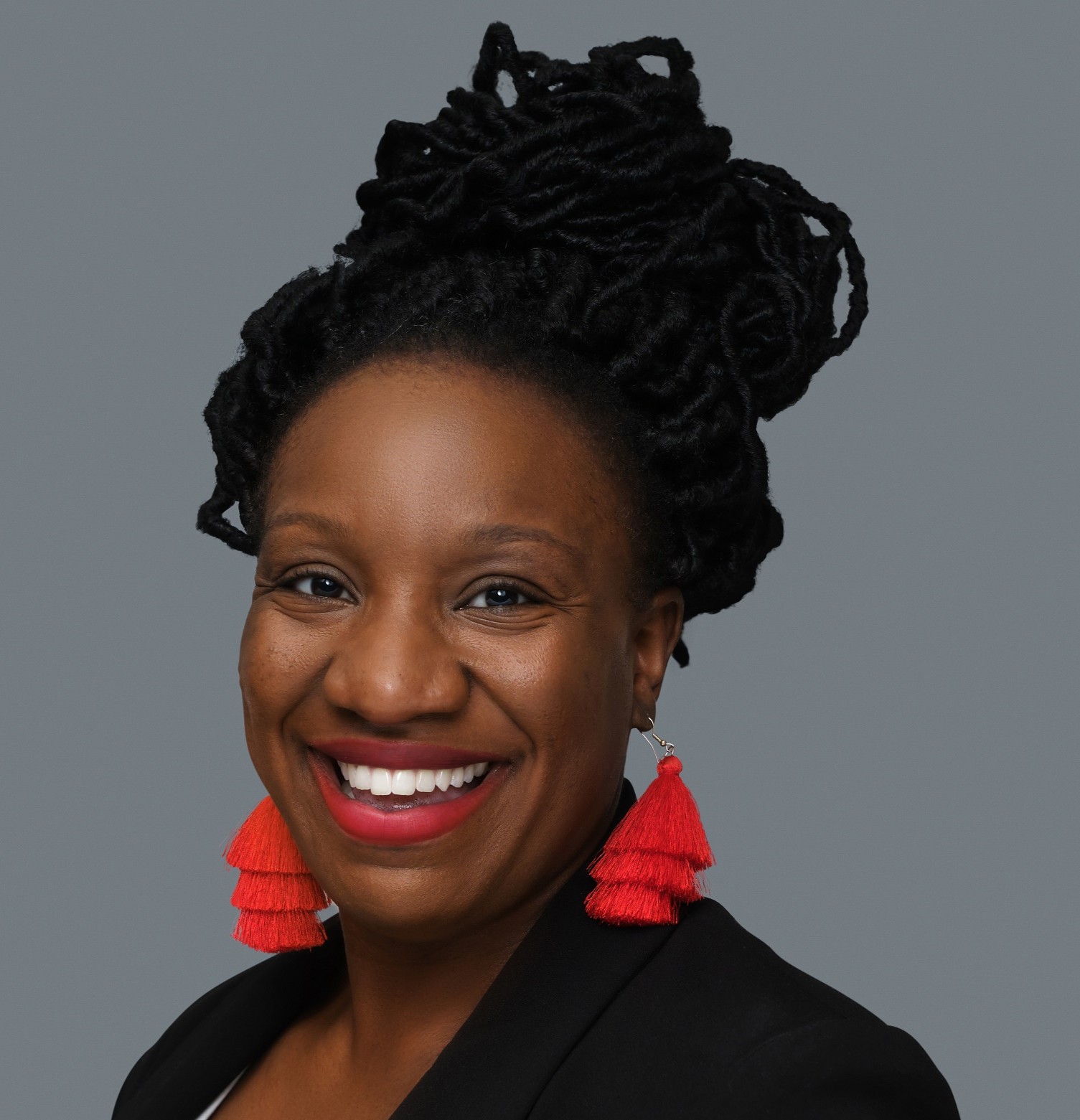
Stephanie Campbell
Stephanie Campbell is a Program Director at Health Leads, where she brings together hospitals, community organizations, and public health partners to advance access to maternal health care, food justice, and racial equity. Her work is rooted in a clear belief: the people most impacted by health systems must be centered in shaping them. She carries both professional expertise and lived experience into this work. As a birth justice advocate and mother, she is deeply committed, shaped by her own birthing experiences, and grounded in the belief that everyone deserves care that sees, hears, and honors them fully.
Before Health Leads, Stephanie served as Director of the Office of Sexual Health and Youth Development at the Massachusetts Department of Public Health. She also served as a graduate instructor at the Boston University School of Public Health, where she designed and taught a course on Adolescent and Young Adult Health through a racial justice lens. Stephanie is known for her ability to build relationships and cultivate trust, translating vision into collective action. She leads with curiosity, clarity, and a steady commitment to building systems alongside communities, not above them. She holds a Bachelor of Science from Howard University and a Master of Public Health from the University of Massachusetts Amherst. Outside of her professional work, she is a proud mother to her children, Jason and Arya, a loving partner, and someone who finds joy in nurturing her ever-growing collection of plants, tending to each with the same care and intention she brings into every space she enters.
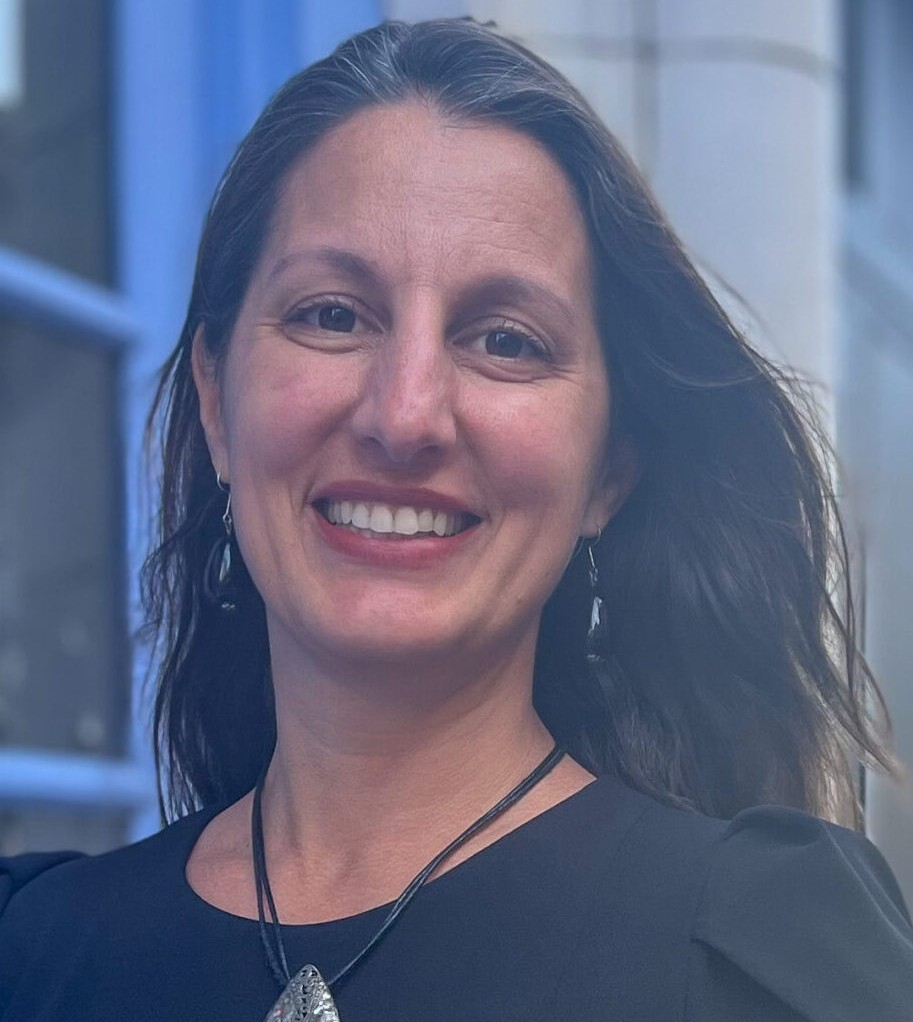
Jessica Chicco, MIRA Coalition
Director of Training, Jessica Chicco (she/her) joined MIRA as Staff Attorney in January 2020 after more than a decade working with immigrants and immigrant communities. She oversees our training and resources work as well as our helpline program. Most recently, she was the Senior Immigration Attorney at DOVE (Domestic Violence Ended, Inc.) in Quincy, a MIRA member organization, where she represented immigrant survivors of domestic violence. Before joining DOVE, she was the Human Rights Fellow at Boston College’s Post-Deportation Human Rights Project, where she focused on advocacy and representation of deported individuals as well as various interdisciplinary collaborations with community-based immigrant organizations in the greater Boston area. She started her legal career as an associate attorney at Human Rights First’s Refugee Protection Program in New York, where she provided legal rights presentations to detained immigrants and co-authored a report on the detention of asylum seekers. Outside of work, Jessica serves on the Diversity, Inclusion and Community Relations commission of her town, with a focus on immigrant advancement. Jessica spent her childhood in Italy, and has lived and studied in Corsica, Senegal and Spain. She holds a JD from NYU Law School and a BSFS from Georgetown University.
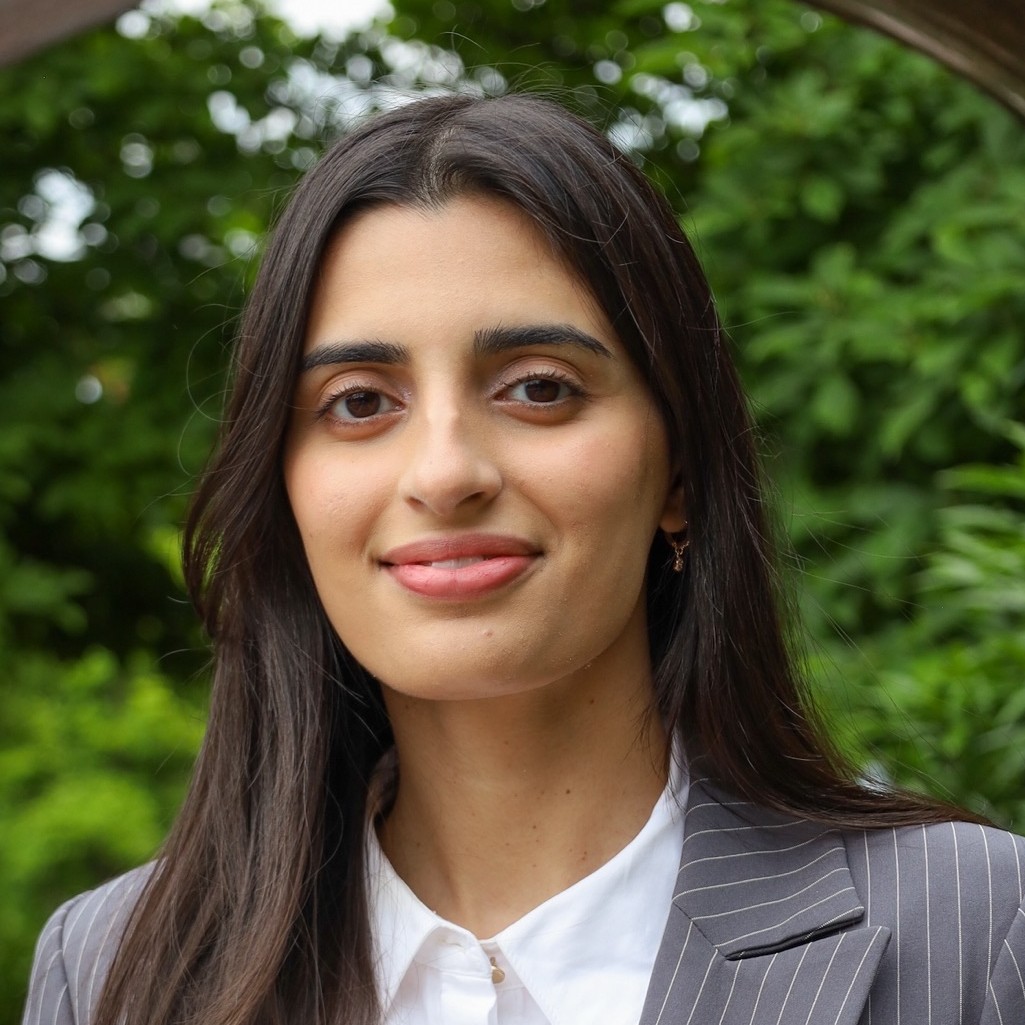
Hiba Hashim, MPH
Hiba Hashim, MPH, is a Senior Program Manager for Boston Public Health Commission’s Start Strong program, where she leads youth-centered communications, violence prevention initiatives, and community engagement efforts. With a background in health equity, digital marketing, and strategic communications, Hiba has developed campaigns reaching millions of young people through social media, podcasts, documentaries, and out-of-home advertising. Her work focuses on healthy relationships, youth leadership, and addressing social determinants of health through innovative, community-driven approaches. Hiba is passionate about advancing health equity through storytelling, prevention, and systems-level change.
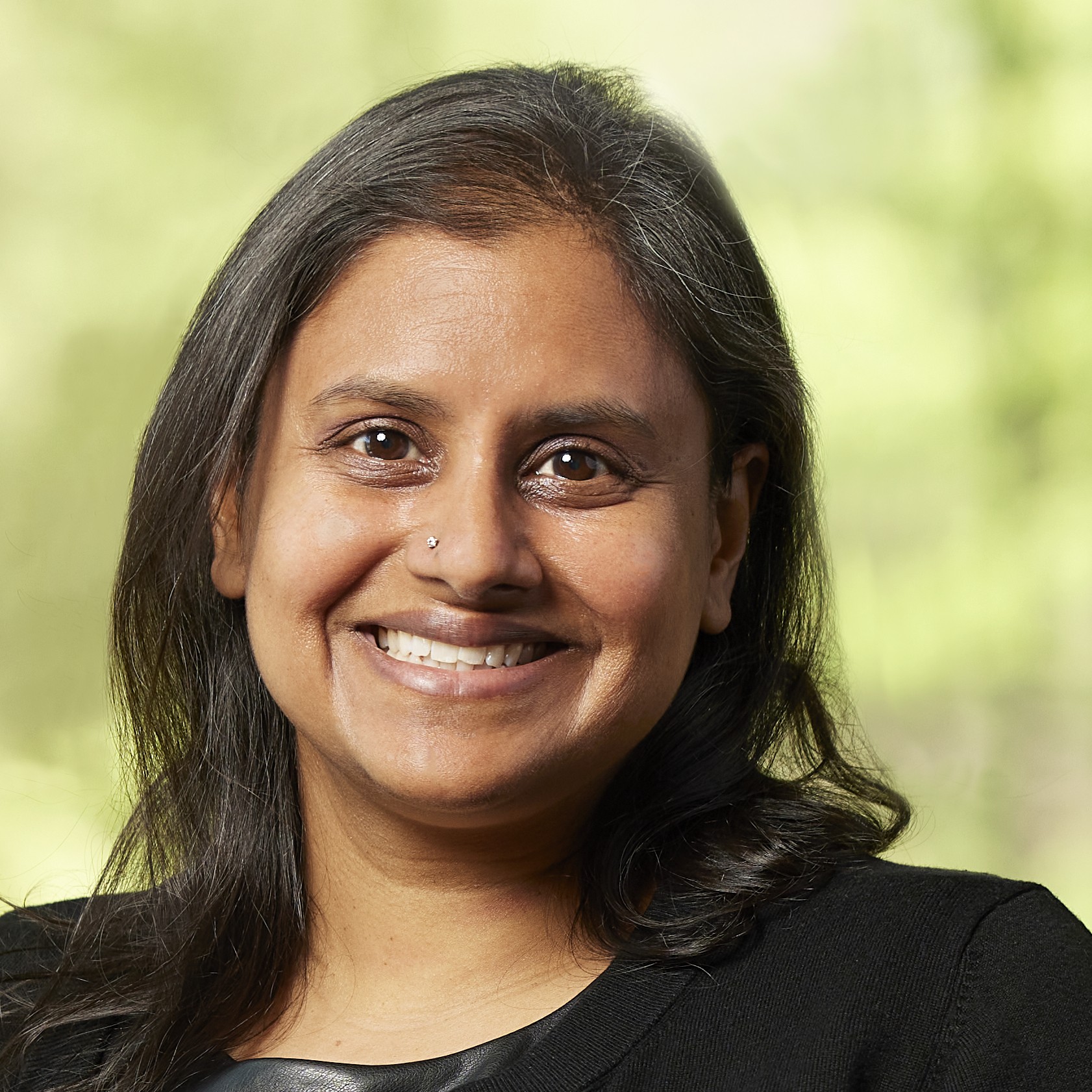
Padma Kandadai, MD, MPH, FACOG, MSCP
Dr. Kandadai (she/her) is the Division Director for Urogynecology and Reconstructive Pelvic Surgery at Boston Medical Center, and is a Menopause Society Certified Practitioner. Her clinical practice consists of non-surgical and surgical management of female urinary incontinence (loss of urine), difficulties with urination, pelvic organ prolapse (dropped uterus/bladder/rectum), recurrent urinary tract infection, bladder pain, and other pelvic floor disorders. She provides menopause care for urogynecology patients.
Dr. Kandadai received her undergraduate degree from Boston University and her medical degree from the State University of New York Upstate Medical School and went on to complete her residency at Thomas Jefferson Medical Center in Philadelphia. She returned to the Boston area in 2008 as a general OBGYN at the Massachusetts General Hospital and Harvard Medical School for three years before starting fellowship in Urogynecology and Reconstructive Pelvic Surgery at the University of Massachusetts Medical Center in Worcester. She also completed her MPH through UMass Amherst during that time.
Since 2014, she has been on faculty at the Boston University School of Medicine as an Assistant Professor. She was previously the Clerkship Director for Obstetrics and Gynecology and served a variety of roles at the medical school in education, student promotions, and residency application advising.
ACCESSIBILITY
We are proud to be hosted at a venue with substantial accessibility features. To be respectful of those with allergies and environmental sensitivities, we ask participants to please refrain from wearing strong fragrances. Taking breaks and stepping away as needed is encouraged and respected throughout the day.
Attendees can request an accommodation or contact us for inquiries about accessibility to our email: trainingcenter@masrh.org.
Attendees can expect the following:
- Level/ramp-equipped entrances and all activities on the ground floor
- Fully AV-equipped meeting spaces with speakers using microphones at all times
- Fidget toys in breakout rooms
- Hand sanitizer, high-filtration masks, and COVID tests offered at check-in
- Hearing assistance devices available (please request when registering; these devices have a headphone that goes directly into your ear and has amplified audio)
- Printouts of presenter slides (please request when registering so we can use only the paper necessary)
- A private space for lactation on-site
- Gender-neutral restrooms
- A quiet space to take a break or step away
- Menstrual products available in the restrooms
We follow the MDPH guidance with regards to infection control and fully support any attendee who chooses to mask. If you have symptoms of a respiratory virus, such as a fever, sore throat, cough or a runny or stuffy nose, we kindly ask that you stay home. Contact us at trainingcenter@masrh.org for more information or questions.
REGISTRATION
Registration is now closed for the 2026 Reproductive Justice Symposium. Thank you to all who joined us this year!
Registration for the 2026 Reproductive Justice Symposium is now closed. Thank you for your interest!
Contact us at trainingcenter@masrh.org for more information or questions!